
A changing climate, a growing threat.
Timor-Leste’s mountainous landscape creates diverse microclimates across the country. While some areas experience longer wet seasons, others face extended dry periods. In the southern part of the island, the rainy season is typically longer, and the effects of climate change are becoming increasingly evident. Heavier rainfall and more intense storms are occurring more frequently, often resulting in flash floods and other climate-related disasters. In Manufahi Municipality, located in the southern region of Timor-Leste, heavy rainfall persisted for nearly a month. According to local residents, some communities experienced continuous rain for four to five days without interruption. The prolonged rainfall resulted in severe flooding that affected numerous communities across the municipality.
Flooding Across Alas and Manufahi
The floods caused widespread destruction, damaging homes, crops, livestock, school materials, household belongings, and public infrastructure. Many low-lying areas were severely affected, leaving families struggling to recover from their losses. In some locations, access became extremely difficult as roads were blocked or washed away, making it nearly impossible for emergency assistance to reach those in need. Local residents shared that communities such as Weberek experience flooding almost every year during the rainy season. However, this year’s flooding was far more severe than usual. For other communities, it was the first time they had experienced flooding of such intensity. As a result, many families were unprepared for a disaster of this scale, making the experience particularly shocking and overwhelming.
This situation highlights the growing reality of climate change. Often, its effects go unnoticed until they manifest in devastating events such as floods, droughts, or storms. Unfortunately, despite the significant impact on affected communities, disasters of this scale in Timor-Leste rarely receive widespread national attention.
Emergency Response and Community Support
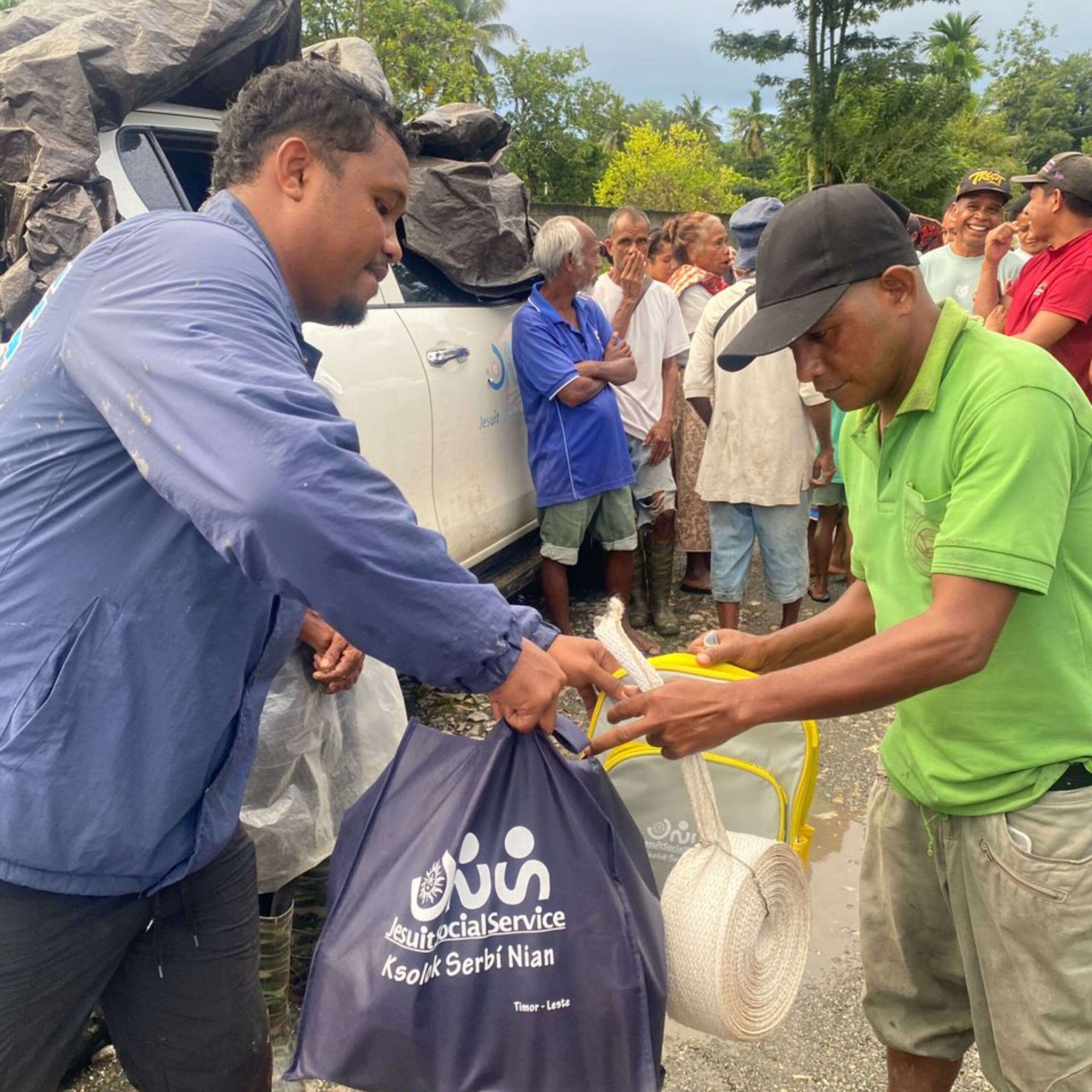
On May 19–20, 2026, Jesuit Social Service traveled to Alas, one of the area’s most severely affected by the floods, to provide emergency assistance to local communities.
Through this emergency response, we were able to support more than 100 households with food supplies, basic household necessities, and educational materials for children. Assistance reached the communities of Weberek, Colocau, Trans Mota Ibun, Lafaek Hasan, and Wekakau Oan.
Due to difficult access conditions, our team was only able to deliver aid directly to some communities. For the remaining communities, we worked through the local parish to continue distributing supplies and ensure that assistance reached affected families. Although our contribution was modest, we hope it provided some relief and encouragement to families facing difficult circumstances. We also hope that more support from government institutions, civil society organizations, and other groups will continue to assist affected communities as they rebuild their homes and livelihoods.
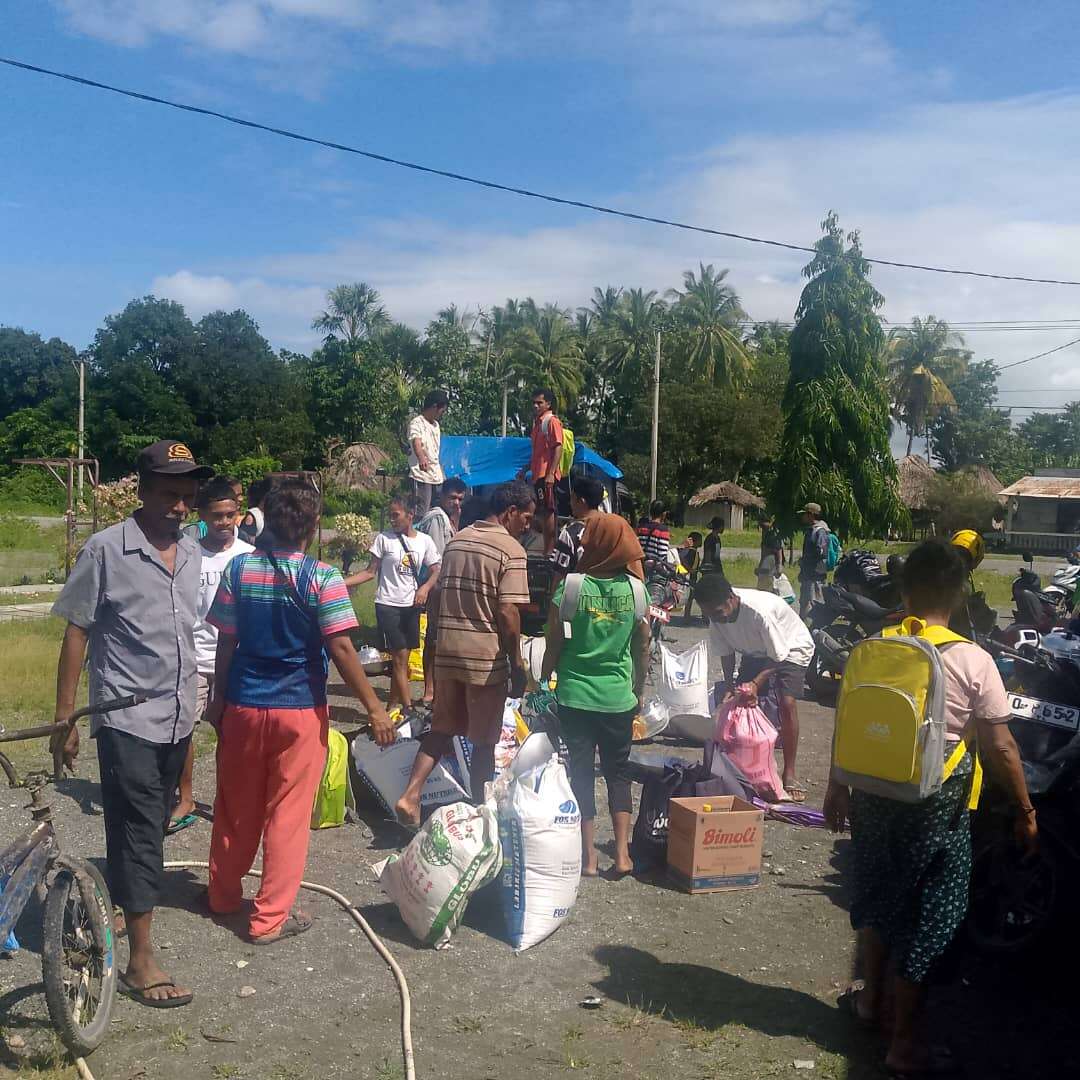
Image: The local parish priest organized the distributions of goods for families from the communities that have their access blocked.
A Call to Solidarity and Ecological Conversion
This experience reminds us of the urgent need for ecological conversion and stronger action to address climate change. Building resilient communities is essential, particularly for those living in vulnerable and high-risk areas. Preparing for future climate-related disasters must become a shared responsibility among communities, organizations, and public institutions.
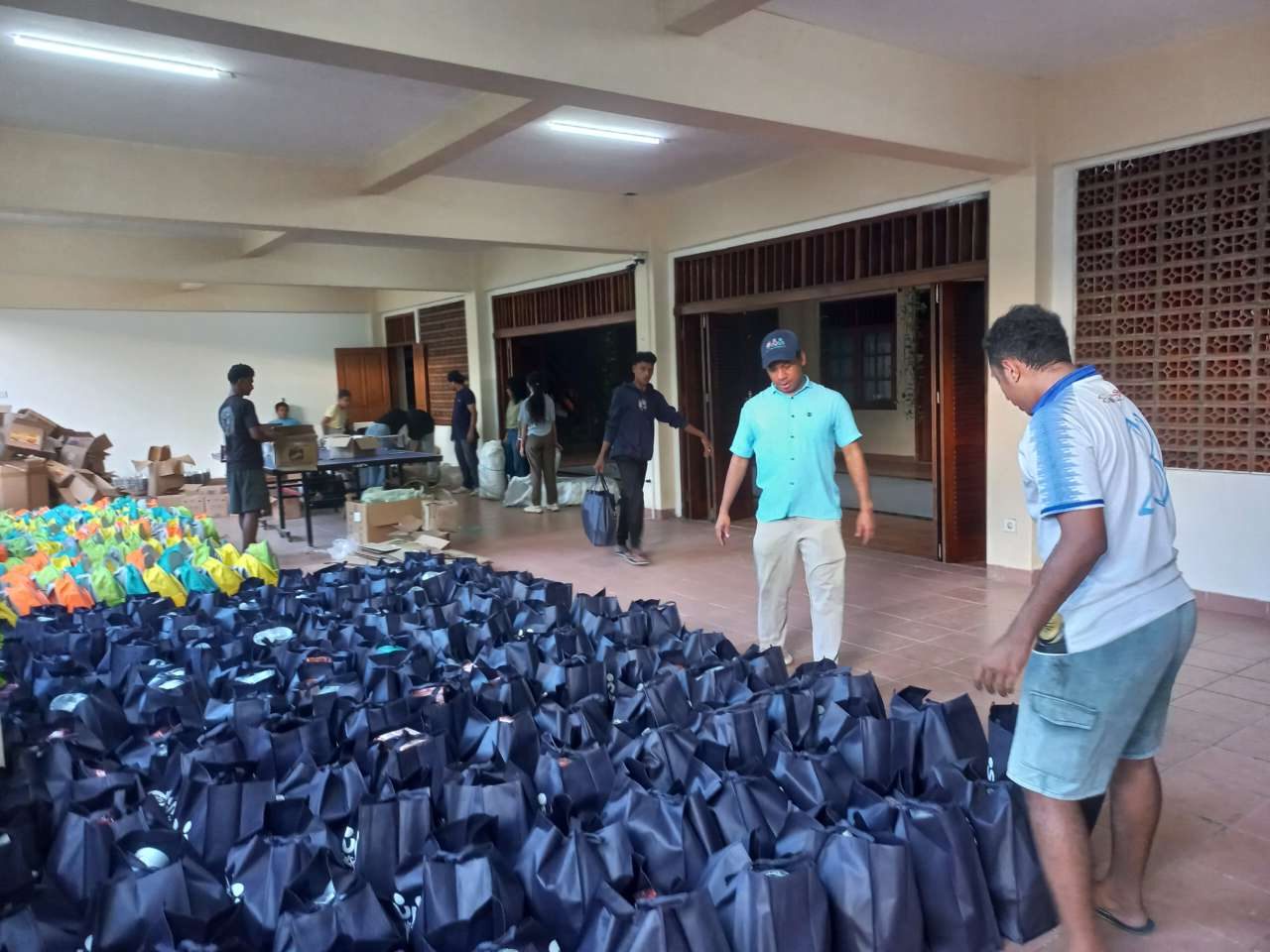
We are deeply grateful to all donors, friends, and family members who responded generously despite the short preparation time. Their support in purchasing, packing, and transporting supplies made this emergency response possible.
As people of faith, we see this reality as a call from Jesus to love our neighbors. We are entrusted to one another, not as strangers or separate groups, but as brothers and sisters who care for each other and share responsibility for one another’s well-being. Responding to the needs and suffering of others is at the heart of our mission, and it is a call that we strive to answer every day through our work and service.
Written by:
Reti Laura, JSS Communications Officer