
Summer Intersession is one of the annual apostolate programs of the Loyola House of Studies (LHS) in the Philippines. Its purpose is to send Jesuit scholastics to different provinces, immersing them for one month in the various ministries of the Society of Jesus. This year, from 2 June to 2 July, we were assigned to five provinces: Naga, Mindanao, Cebu, Cagayan de Oro, and Zamboanga. Our group – Bro. Zequel Noronha SJ, Bro. Jerome Maambong SJ and myself – was sent to Zamboanga, an island far from Manila, rich in diverse faiths and cultures.
Surprise
Before flying to Zamboanga on June 2, my first cultural shock came when I saw people of different faiths – Muslims, Christians, and non-Christians – all in the same plane, traveling together, sitting side by side, laughing and sharing stories. Later, on our way from the airport to the Jesuit Residence, I was also surprised to see two girls – one Catholic, the other wearing a hijab – holding hands as they entered Ateneo de Zamboanga University.
The reason I was so surprised is that witnessing these occurrences challenged my earlier perception of Zamboanga as an unsafe place—a perception shaped by the tragic rebel attacks that claimed more than 200 lives back in 2013. I had expected danger to lurk everywhere. Instead, what I encountered was a transformed community, where the past is past, recorded in the national museum, while the present reveals a new Zamboanga, where friendship, unity, and respect seem to flourish. At the University, faculty, staff, and students alike embody this spirit, holding hands across differences of faith. Their example made me realize that shared values can serve as bridges, not only between islands but also between people. Such connections nurture a synodal community committed to peace, gradually dissolving divisions from school to society.
Consolation
Beyond these surprises, our intersession was filled with consolation. Even within few days after arriving, I experienced the warmth of the Jesuit community. Whenever I longed for laughter, joy was freely given; whenever I hungered for wisdom, it was generously shared. No barriers of nationality, background, or age hindered this flow of companionship.
Every encounter was marked by simplicity, welcome, and genuine care. Around the table, joy, mission experiences, challenges, and wisdom flowed naturally, often beyond the limits of time. I discovered that this community was not only a source of consolation but also of unity. The mission of God advances not through individual effort but through companions united in Christ’s love. This realization filled me with gratitude and joy, deepening my understanding of what it means to be a true Companion of Jesus.
Learning
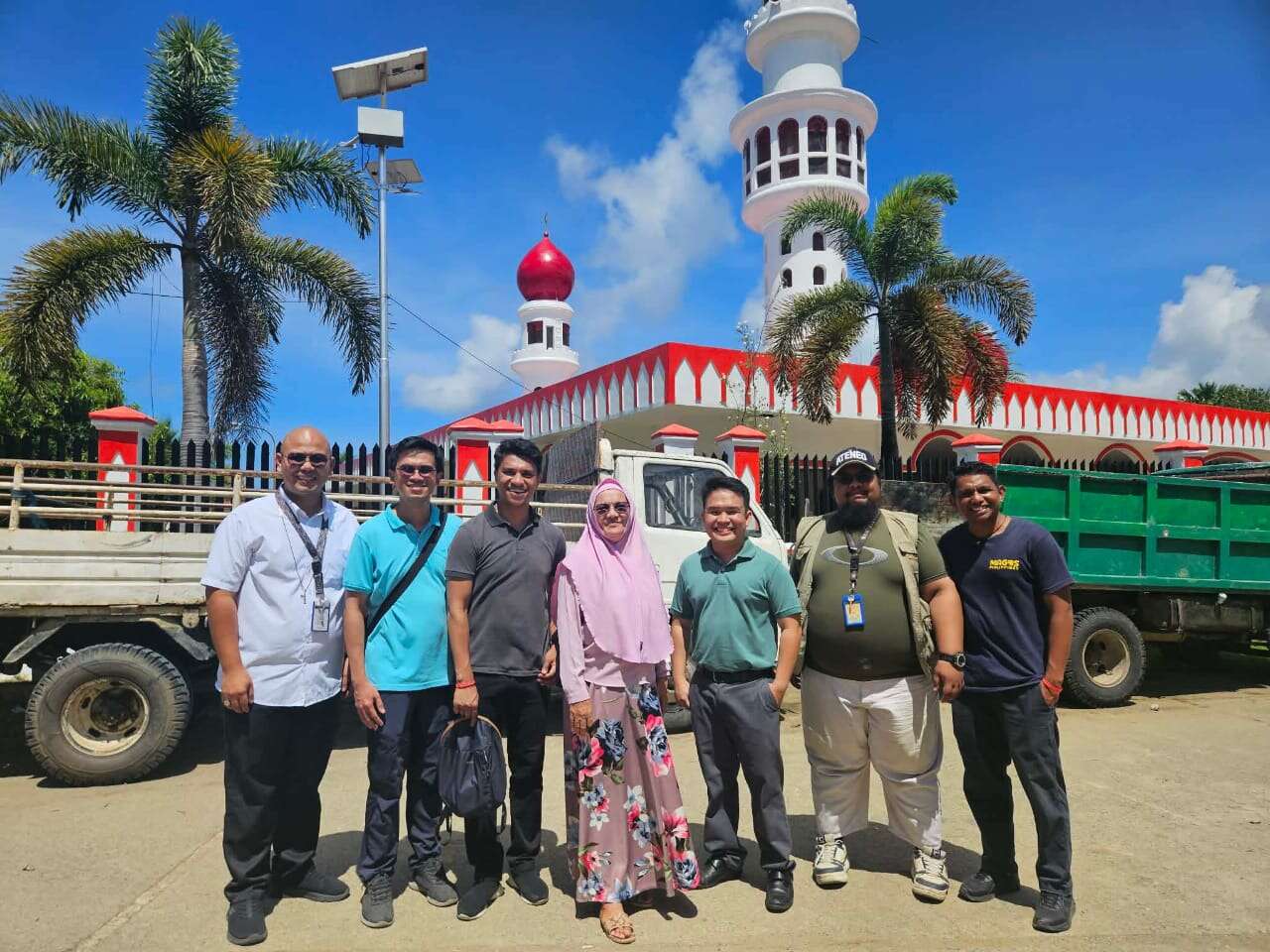
Finally, our intersession was a time of profound learning. We joined the sharing in Ateneo de Zamboanga Community (ADZU community), stayed with the Indigenous People of Limpapa, visited museums and the site of the first Jesuit mission in Dapitan, and ended with an interreligious dialogue in Basilan.
From the Indigenous community, I learned the lesson of simplicity – rooted in nature, necessity, and community. Fishermen took only what the sea provided each day, sharing their catch with neighbors who helped pull the boat. Their way of life reminded me that simplicity is enough to sustain the long journey of Jesuit vocation.
In Dapitan, visiting the site where Fr. Palliola SJ was beheaded, taught me the values of missionary life. Jesuit missionaries were always ready to serve, even in unknown islands with little hope of return to their home countries. Some died in hardship; others offered themselves in love to build churches and schools, allowing God’s grace and love to flow through His people.
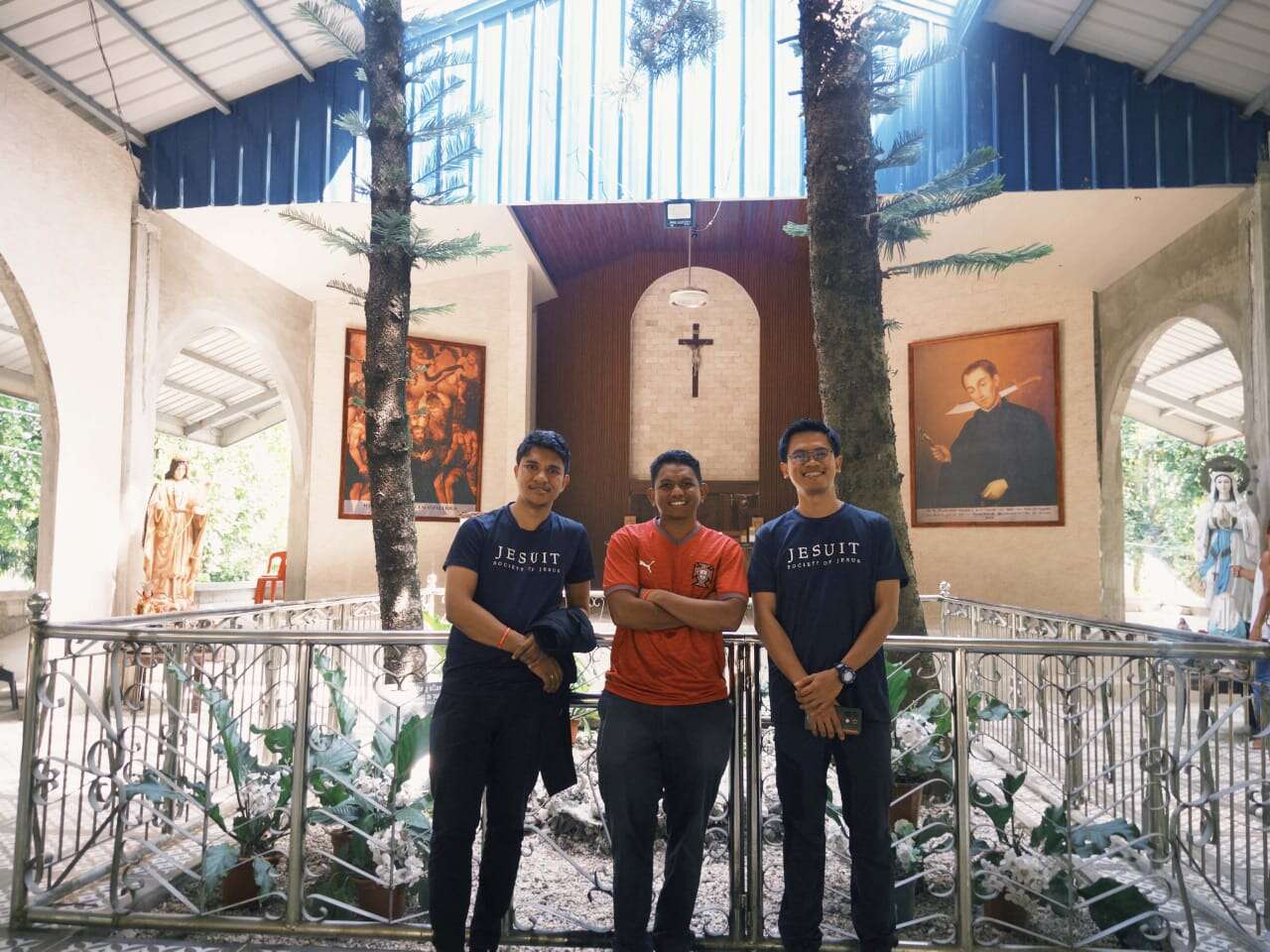
Image: Sch. Edito, SJ (in the middle) is with his Jesuits brothers: Bro. Zequel Noronha SJ, (left side) & Bro. Jerome Maambong SJ.
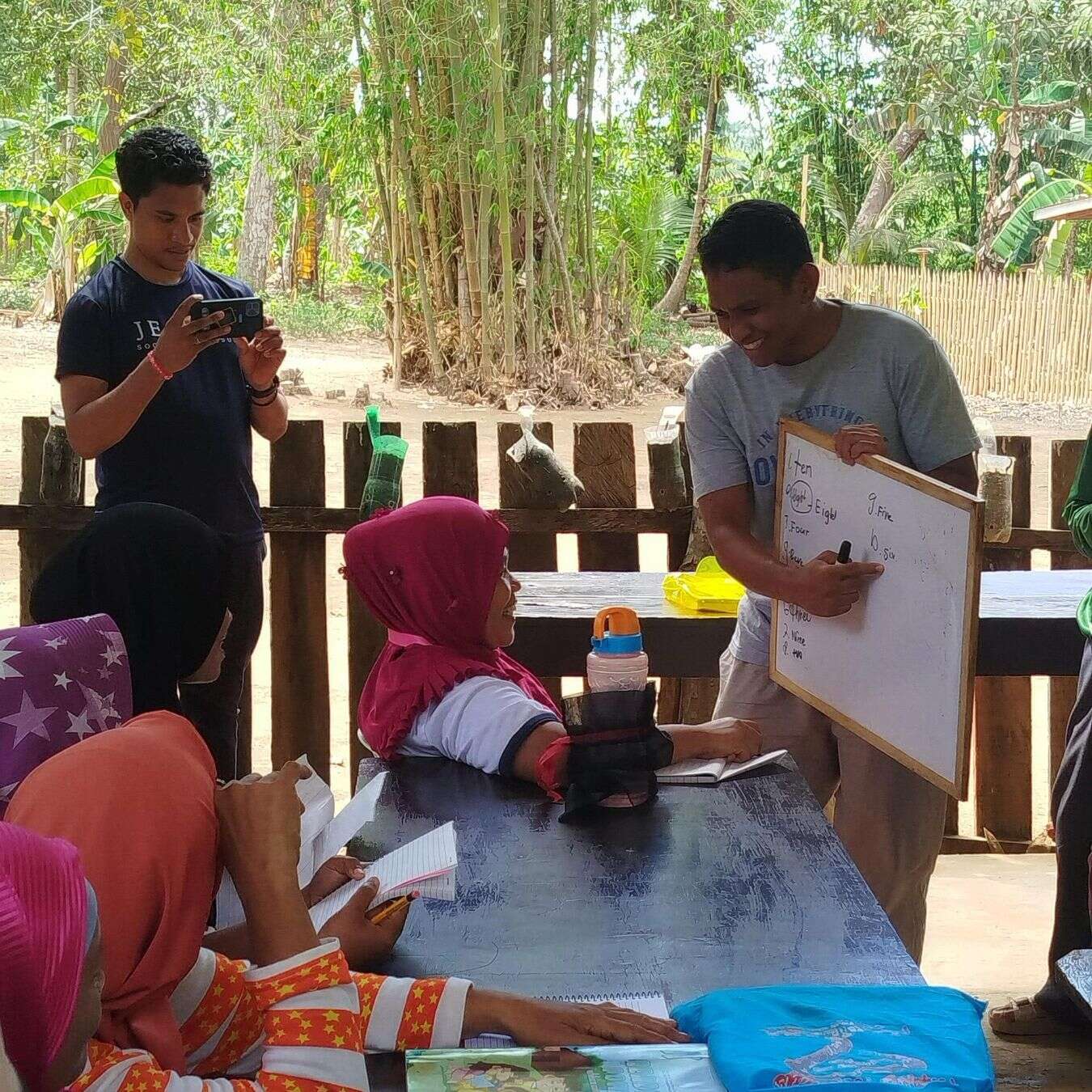
In Basilan, I witnessed the beauty of unity between Catholics and Muslims. When Muslims went fishing, Christians provided nets; when Christians celebrated the feast of Saints Peter and Paul, Muslims joined in cooking and celebration. We too participated, teaching literacy in one barangay at the invitation of Muslim staff. This experience echoed Fr. Arrupe’s reminder: Jesuits are “for others.” That “others” is never limited to Catholics. Muslims, faithful to their religion, also live for others.
As we ended the intersession and returned to Manila on July 2, I carried with me abundant graces and stories – marked by surprise, consolation, and learning. What began with fear and expectations of conflict became a journey of peace, unity, and friendship across cultures and faiths. The companionship of the Jesuit community consoled me, and the indigenous and interreligious communities taught me simplicity and solidarity. Altogether, these encounters deepened my understanding of the Jesuit mission as one of presence, service, and love. To be a companion of Jesus means walking with others, building bridges across differences, and living always “for others”.
Written by:
Sch. Edito Seixas, SJ