
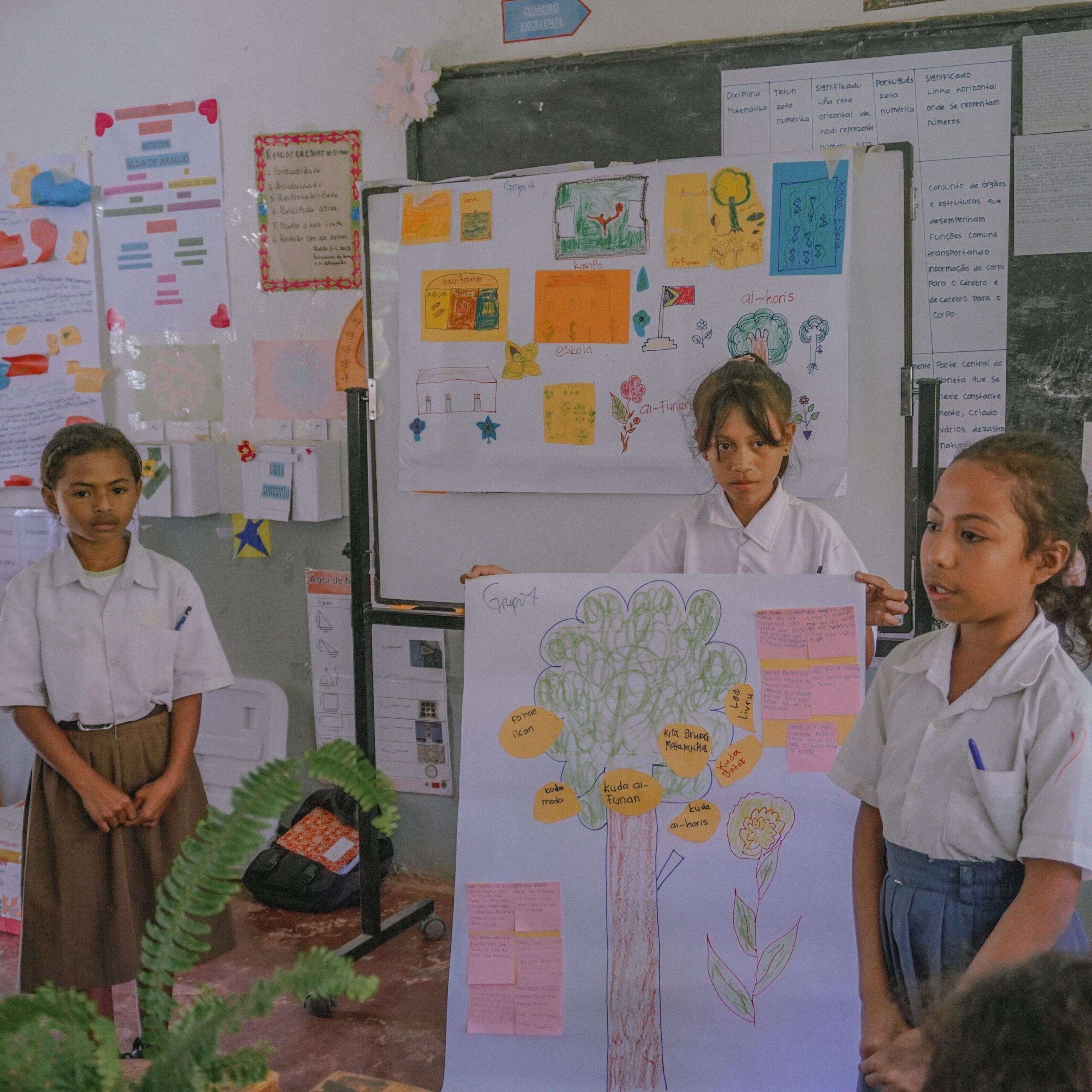
On the hills of Railaco stands a primary school—EBF (Ensino Básico Filial) Matata—which serves as the principal elementary school for Matata village, covering four neighborhoods: Titibuti, Tarmausoru, Colaco, and Mauane. Since 2023, EBF Matata has been one of the beneficiaries of Jesuit Social Service. It was then that we developed and implemented the school farm project—including horticulture and hydroculture—to support the students’ food security. Through this initiative, our collaboration with the school and community has continued to grow.
Unfortunately, due to the many challenges faced by the school, the horticulture component did not thrive as expected, even though the soil and bedding system are still in place. At present, the school continues to manage its fish pond, harvesting fish every few months. While this remains a valuable resource, it has also reflected the need to explore more sustainable and community-driven approaches moving forward.
So, as we have continued to walk alongside the community, we have also constantly sought better ways of accompanying them. The Asset-Based Community-Led Development (ABCD) approach has become an ideal pathway for this. Through the Food Security program, this initiative is now being introduced as a renewed way of strengthening our accompaniment and collaboration in community development.
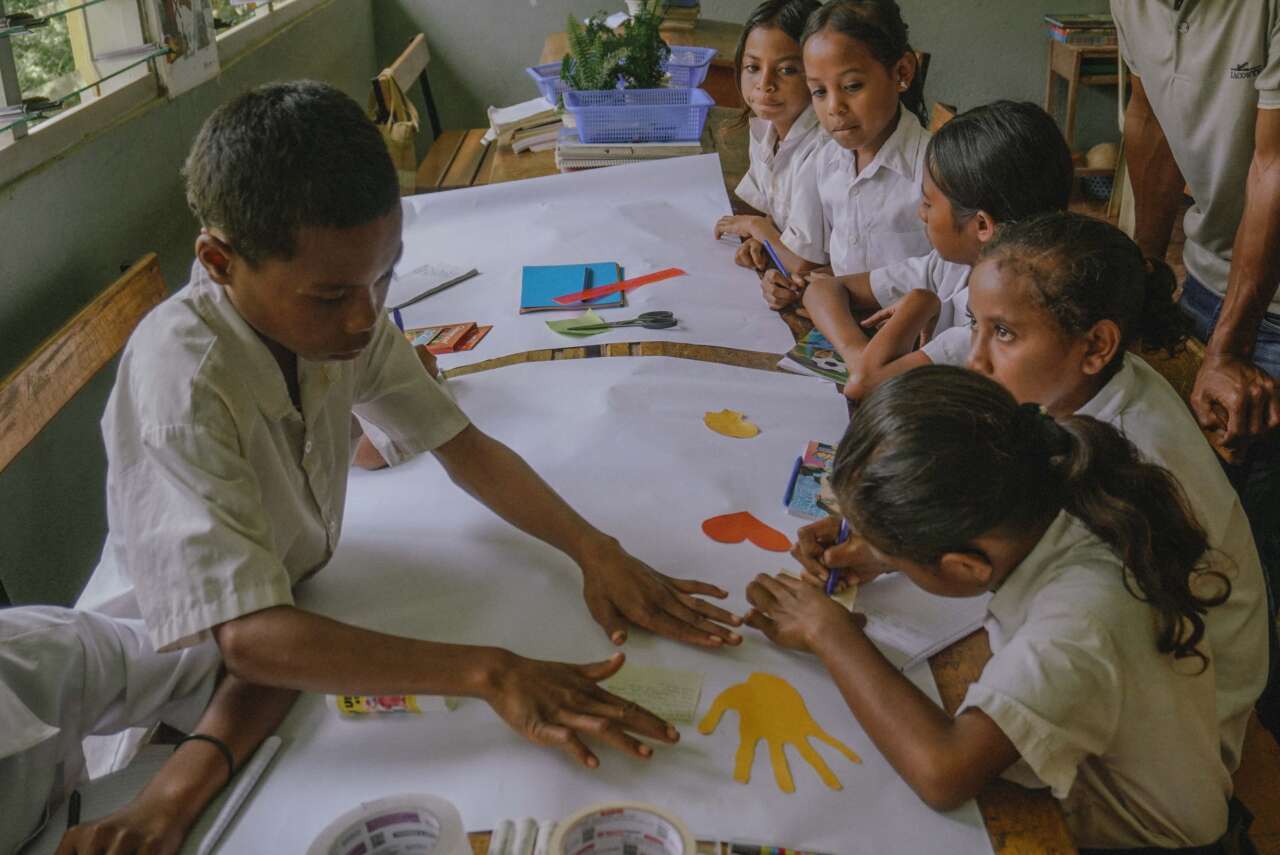
Photo: A group of students working together on ABCD activities during the workshop.
With the ABCD approach, we encourage the community to shift their perspective from asking “What problems do we face?” to “What strengths do we already have, and how can we build on them?” This approach invites communities to focus on considering the ‘cup half-full’ rather than “half-empty”. By discovering their own assets and exploring how to grow from them, community members become more active and engaged in shaping their own development journey.
Seeking to implement this approach, a two-day session was held on 28 March and 11 April, 2026, with 46 participants from EBF Matata: 40 students (18 boys and 22 girls), accompanied by 6 teachers. The sessions were marked by very active participation, as both students and teachers showed strong interest and enthusiasm for the topics discussed. The energy and openness in the room reflected a genuine curiosity to learn and to see their community in a new light.
As the school coordinator, Manuel Salsinha expressed his gratitude that the collaboration between EBF Matata and JSS continues to grow stronger. He shared that one of the most meaningful aspects of the ABCD initiative was how it helped them identify their own assets—both teachers and students alike. It allowed them to recognize how much they already have, and how these existing resources can be developed further for the future.
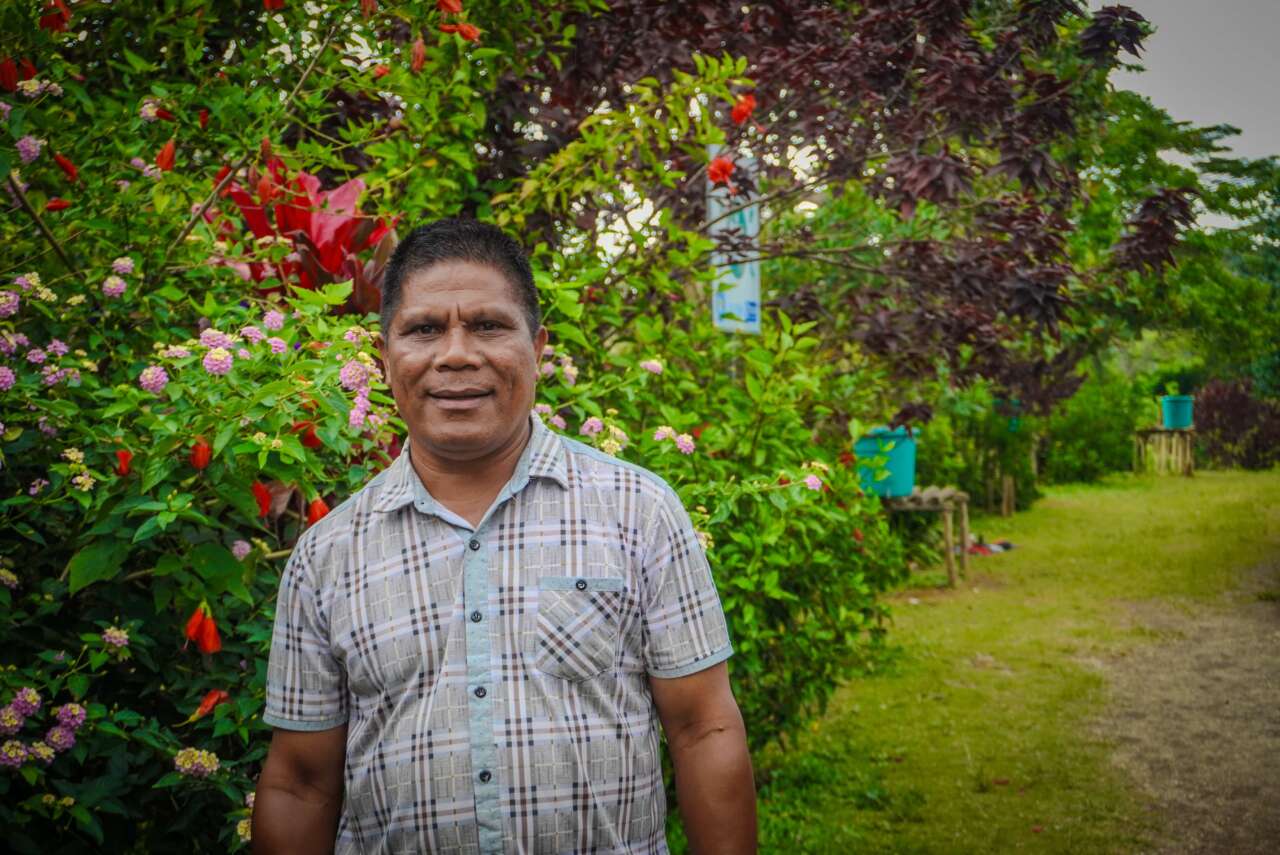
Photo: Manuel Salsinha, Coordinator of the EBF Matata school.
Sharing his hope, he said, “We want to be the owners of our own projects, and be the authors of our actions. This is why we are so pleased to continue as partners.” Through this initiative, the JSS Food Security program aims to further strengthen collaboration with the community—not by simply bringing projects to them, but by understanding the community’s own aspirations and vision. The goal is to find a shared vision, a middle ground where both JSS and the community can work together more effectively and meaningfully.
In conclusion, Salsinha expressed his hopeful vision: “For the future, we believe our school will continue to improve both in its development and in its collaboration with JSS. The knowledge shared with us will continue to help us guide our children towards greater growth, especially in their capacity to take action.”
Written by:
Reti Laura, JSS Communications officer